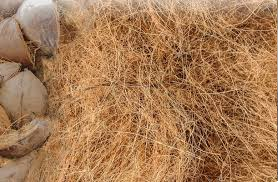
Coconut Fiber
Origin and Quality
North Sulawesi, renowned for its fertile soil and ideal climate, is a prime region for coconut cultivation. The coconut fiber from this area is derived from the outer shell of coconut fruits, ensuring it is of the highest quality and freshness. This region, being one of the highest coconut-producing areas in Indonesia, contributes significantly to the country’s coconut production.
Characteristic
- Source Material: Coconut fiber, also known as coir fiber, is extracted from the outer shell of coconut fruits.
- Uses: It is versatile and used in a variety of applications worldwide, including horticulture, construction, and manufacturing of various products such as ropes, brooms, and bedding materials.
- Physical Properties: The fiber is durable, water-resistant, and has good insulation properties.
Specification
- Weight and Packaging: Coconut fiber is often sold in bales or blocks, with varying weights depending on the application. It can be packed in plastic or gunny bags, with custom packaging options available.
- Color: The fiber has a natural brown color.
- Moisture Content: Typically, the moisture content is managed to ensure the fiber remains dry and usable.
- Impurities: The fiber is cleaned to minimize impurities, ensuring high quality.
Application and Uses
- Horticulture: Coconut fiber is widely used as a growing medium in horticulture due to its water-retention properties and ability to support plant growth.
- Construction: It is used in construction for insulation, roofing, and as a component in composite materials.
- Manufacturing: The fiber is utilized in the production of mattresses, pillows, and other bedding products, as well as in the creation of craft items and accessories.
Culinary and Industrial Values
- While coconut fiber itself is not edible, it is a by-product of coconut processing, which supports the production of various edible coconut products such as desiccated coconut, coconut oil, and coconut water.
- Industrial Use: The fiber’s durability and water-resistance make it a valuable material in various industrial applications.
Shelf Life and Storage
- Shelf Life: Semi-husked coconuts have a longer shelf life compared to fully husked ones because the husk over the eyes protects the coconut from decay. They can be stored for up to 40 days.
- Storage: To maintain freshness, they should be stored in a cool, dry place or refrigerated for longer storage.
Sustainability and Production
- Sustainable Practices: The coconut trees in North Sulawesi are grown using sustainable practices, free from harmful fertilizers and pesticides.
- Community Support: The production and export of coconut fiber support local communities and contribute significantly to the local economy, promoting economic growth and stability.By choosing coconut fiber from North Sulawesi, you are supporting sustainable agriculture, local communities, and gaining access to a high-quality, versatile natural material.